SEO Meta-Description:
Dive into the colorful and creative realm of mixed media artwork! Discover unique techniques, essential tools, artistic inspiration, and answers to your top questions about this captivating art form.
Introduction
Mixed media artwork is like a playground for creativity, where different materials, textures, and techniques come together to create something truly magical. It’s not bound by rules or confined to a single medium, making it a favorite among artists who love experimenting with layers, colors, and unconventional tools. Whether you’re a seasoned artist or a curious beginner, mixed media offers endless possibilities to express your unique vision.
In this article, we’ll explore the fascinating world of mixed media artwork, break down techniques, suggest must-have tools, provide tips for beginners, and answer some common questions. Plus, we’ll share a sprinkle of inspiration to help you start (or elevate) your next masterpiece!
What is Mixed Media Artwork?
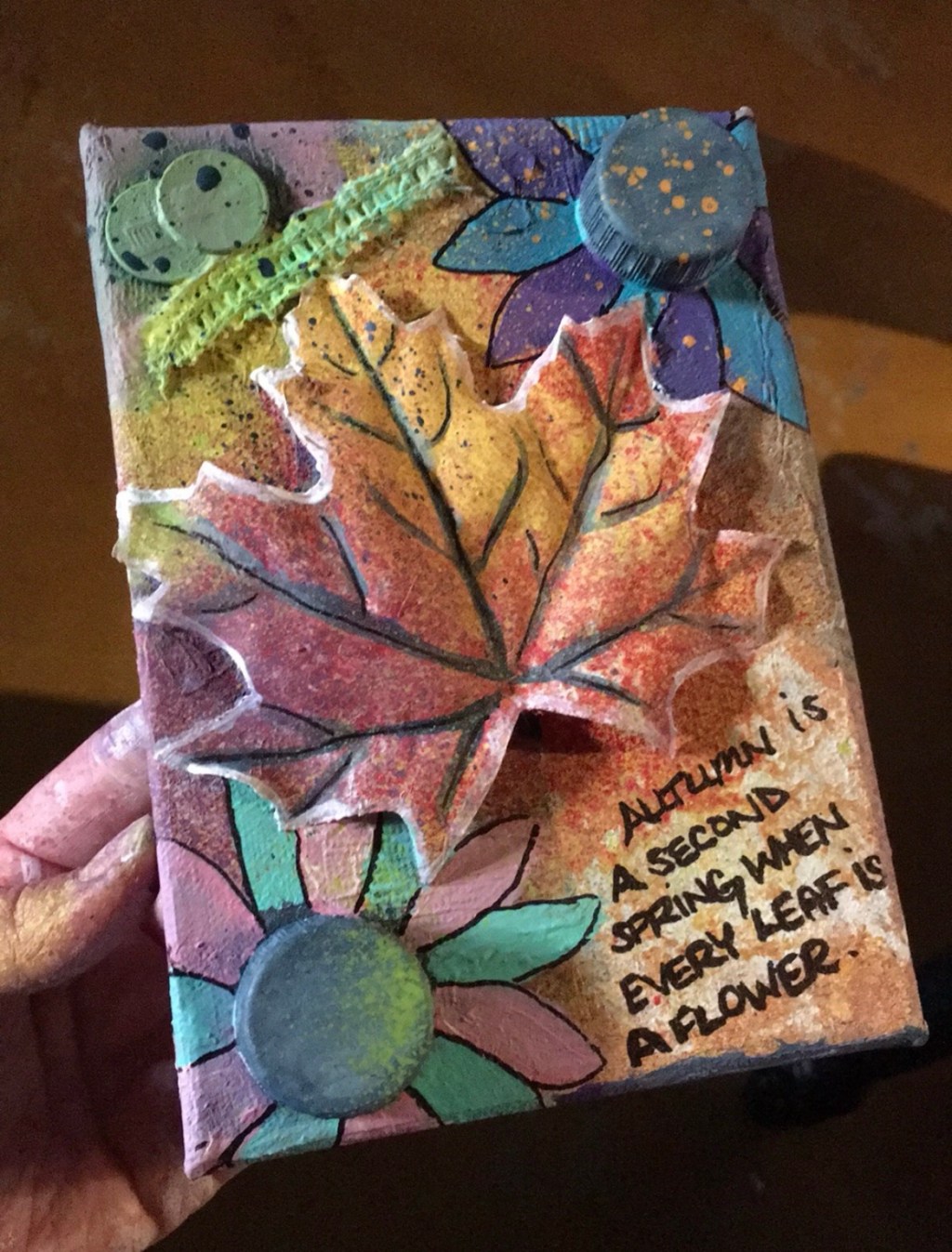
At its core, mixed media artwork refers to any art piece created using more than one medium or material. For instance, you might combine acrylic paint with collage elements, or pair watercolors with ink. The beauty is in the blending—artists experiment with textures, layers, and materials to craft visually captivating pieces.

Common Materials in Mixed Media
Mixed media artwork can include a wide variety of materials, such as:
- Paint: Acrylics, watercolors, gouache, or even spray paint.
- Ink and Markers: Alcohol inks, oil-based markers, or fine liners.
- Paper Elements: Torn pages, newspaper clippings, origami paper, or tissue paper.
- Found Objects: Buttons, fabric scraps, string, or natural elements like dried leaves.
- Texture Additives: Modeling paste, sand, or gel mediums.
The possibilities are endless, and the only limit is your imagination!
Techniques to Elevate Your Mixed Media Artwork
Mixed media art thrives on layering and experimentation. Here are a few techniques to try out:
1. Layering with Transparency
Use translucent materials like vellum or tissue paper to create depth. Paint or draw over them to add interest without completely covering the underlying layers.
2. Collage Meets Paint
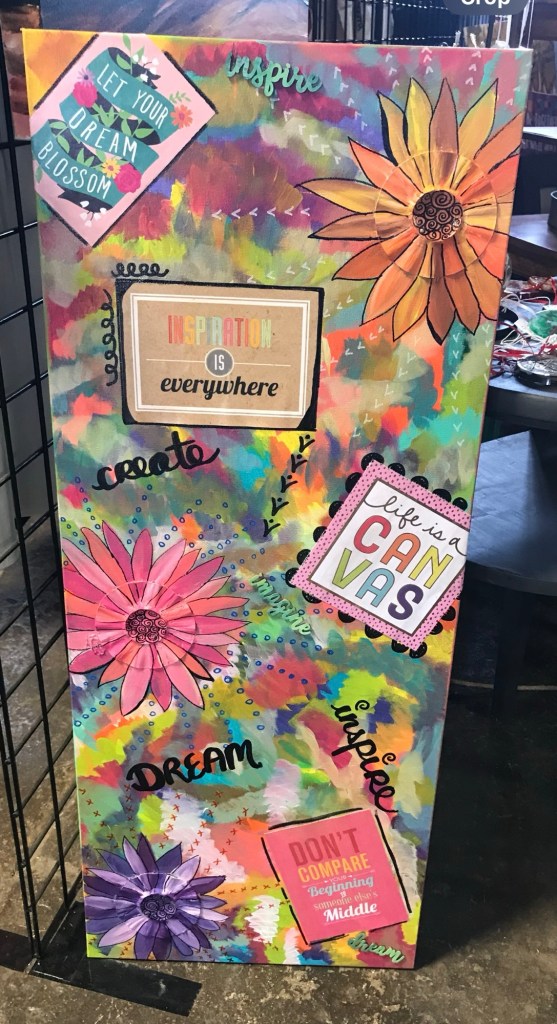
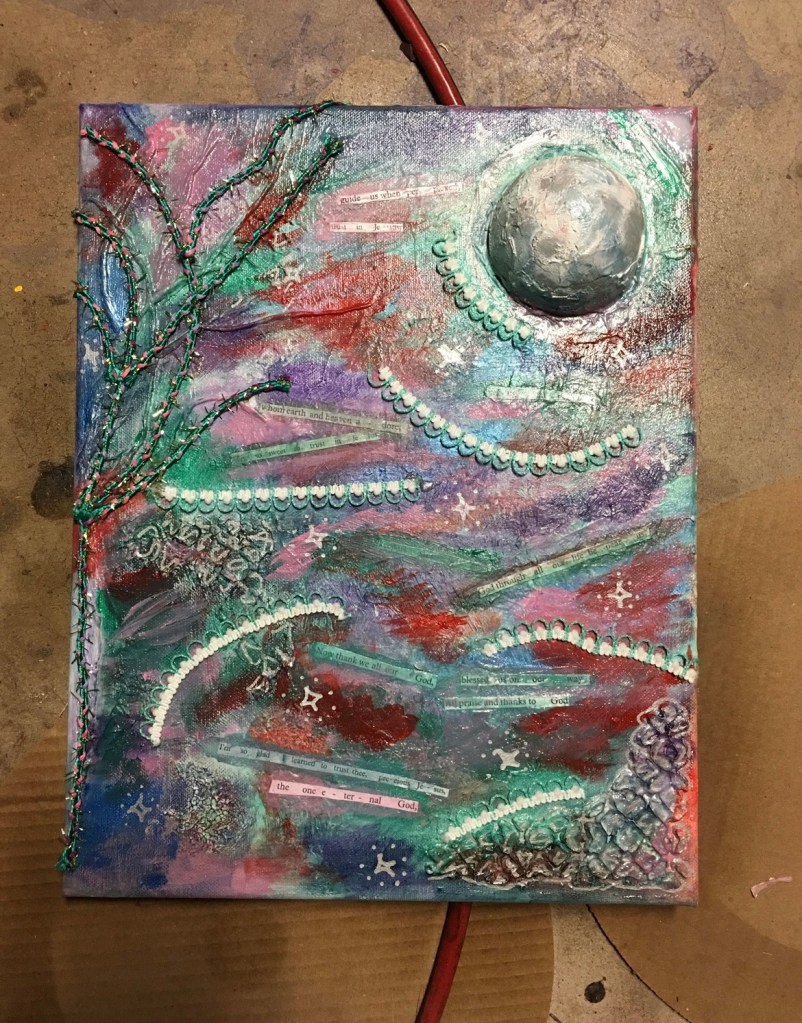
Tear out magazine pages, book text, or old maps and glue them onto your canvas. Then, paint over them with acrylics or watercolors, letting some of the collage elements peek through.
3. Textured Base Layers
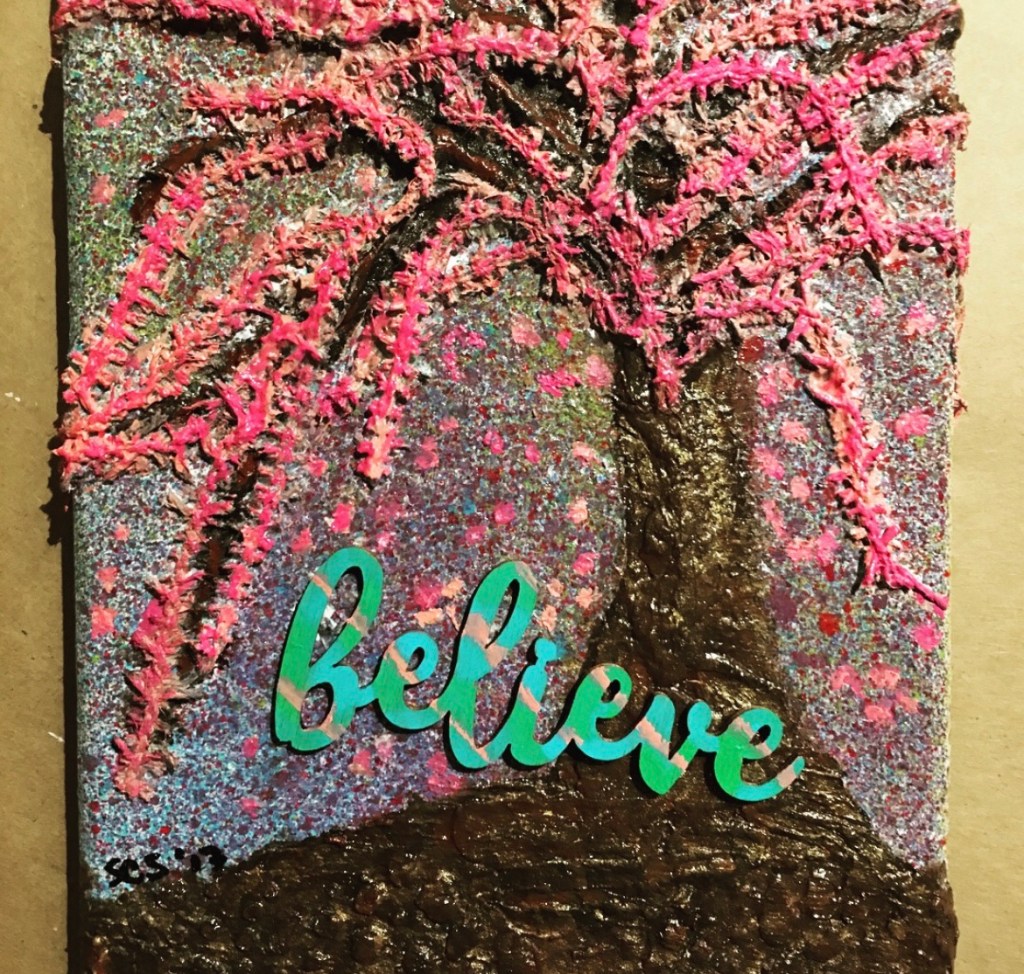
Start with a textured base by applying modeling paste or gesso to your canvas. Use a palette knife for uneven, dramatic textures. Once dried, paint over it for a dynamic effect.
4. Incorporate Stamping
Hand-carved stamps or store-bought ones can add interesting patterns. Use ink or acrylic paint to stamp designs onto your artwork.
5. Alcohol Ink on Acrylic
Combine alcohol ink with acrylic paint for vibrant, flowing effects. These two mediums interact uniquely, creating stunning abstract designs.
6. Doodling on Top
Once your layers are dry, grab a fine-tip marker or oil-based paint pen. Draw zentangle patterns, nature-inspired designs, or words that align with your theme.
7. Resist Technique
Use masking tape, wax, or oil pastel as a resist before applying watercolors. Once you peel it away, your design will have crisp, clean lines.
Must-Have Tools and Supplies for Mixed Media Artwork
Building your mixed media toolkit doesn’t have to break the bank. Here’s a list of essentials to get started:
- Canvas or Substrate: Stretched canvas, watercolor paper, wood panels, or even old book covers.
- Paint: Start with acrylic paint for its versatility and quick-drying nature.
- Adhesives: Matte gel medium, Mod Podge, or a strong glue stick.
- Brushes: Get a variety of sizes, including flat and round brushes.
- Palette Knife: Perfect for spreading paste or creating texture.
- Markers or Pens: Oil-based paint pens or permanent markers for fine details.
- Texture Tools: Bubble wrap, stencils, or sponges for creating patterns.
- Protective Finish: A clear varnish or spray sealant to preserve your work.
Pro Tip: Don’t shy away from using household items like old credit cards, combs, or toothpicks to create unique effects!
Tips for Beginners in Mixed Media
Starting with mixed media can feel overwhelming because of the sheer variety of materials and techniques. Here’s how to keep it simple and fun:
- Start Small: Begin with a small canvas or paper to practice layering without feeling intimidated.
- Limit Your Palette: Stick to 3-5 colors to maintain harmony in your piece.
- Embrace Mistakes: Happy accidents are part of the process! If you mess up, just layer over it.
- Experiment Freely: Mixed media is all about play—try combining things you wouldn’t normally pair.
- Build Gradually: Layer your materials in stages, letting each layer dry before adding the next.
- Use What You Have: Before running to the art store, look around your home for items like magazines, fabric scraps, or even coffee grounds for texture.
Why Choose Mixed Media Artwork?
Mixed media isn’t just visually appealing—it’s also deeply therapeutic. The process of layering materials and improvising as you go can be incredibly freeing. Plus, it’s a fantastic way to repurpose and upcycle objects, making it an eco-friendly art form.

For artists, mixed media presents endless opportunities to push boundaries and develop a unique style. It encourages you to think outside the box and create pieces that truly stand out.
FAQs About Mixed Media Artwork
Q: Can I use mixed media on any surface?
A: Almost! While canvas and paper are popular choices, you can also use wood, fabric, or even glass. Just make sure to prep the surface with gesso or a primer if needed.
Q: What’s the best way to seal mixed media art?
A: Use a clear varnish or spray sealant to protect your artwork from dust and fading. Make sure it’s compatible with the materials you’ve used.
Q: Do I need expensive supplies to start?
A: Not at all! Start with basic materials like acrylic paints, markers, and a glue stick. You can always add more tools to your collection as you grow.

Q: Can beginners create professional-looking mixed media art?
A: Absolutely! With practice and patience, even simple techniques can produce stunning results. Remember, mixed media is about creativity, not perfection.
Q: How do I come up with ideas for mixed media artwork?
A: Inspiration is everywhere—nature, photographs, music, or even a verse from a poem. Start by doodling or experimenting with colors, and let the piece evolve naturally.
Conclusion

Mixed media artwork is a captivating art form that invites you to explore, experiment, and express yourself without boundaries. Whether you’re layering paint, collaging paper, or incorporating unexpected objects, every piece tells a story that’s uniquely yours.
So, roll up your sleeves and dive into the world of mixed media. Let your imagination run wild, and don’t be afraid to make a mess along the way. After all, art is as much about the process as the final product. Happy creating!

Sprinkle some joy in the comments! 🎨